Queenstown Road Garden Maintenance and Planting Specialists: Practical, Reliable Care for Tidy, Healthy Outdoor Spaces
If you live or work near Queenstown Road, you already know the rhythm of the area: busy pavements, compact front gardens, hidden courtyards, and the occasional larger plot that needs proper attention, not just a quick tidy. That is where Queenstown Road garden maintenance and planting specialists earn their keep. The right team does more than trim a hedge or drop in a few seasonal flowers. They help your garden stay healthy, look considered, and feel like a space you actually want to use.
In this guide, we'll look at what professional garden maintenance and planting really involves, how it works in practice, what good results look like, and the mistakes that quietly ruin good planting plans. We'll also cover a simple step-by-step approach, a comparison of common options, and a realistic checklist you can use before booking help. Nothing fluffy. Just the useful stuff, explained clearly.
One thing worth saying early: a good garden rarely stays good by accident. It is usually the result of steady care, sensible planting choices, and a bit of local know-how. Sometimes that means choosing plants that cope with shade from neighbouring buildings. Sometimes it means accepting that soil in a courtyard behaves differently from soil in a larger rear garden. It's not glamorous. But it works.
Why Queenstown Road garden maintenance and planting specialists Matters
Garden care in this part of London is often more complicated than it first looks. Queenstown Road properties can have everything from narrow front patches and raised beds to shared spaces, roof terraces, and sheltered rear gardens. Each one needs a slightly different approach. A plant that thrives in an open suburban border may sulk in a cramped, wind-exposed, partially shaded London setting. That is just the reality.
Specialists matter because they read the garden properly. They look at light, drainage, soil condition, access, seasonal wear, and how the space is actually used. A family garden that needs to survive football, pets, and weekend barbecues has different priorities from a quiet courtyard designed for texture and scent. Truth be told, many gardens fail because people plant for appearance alone and ignore the working conditions.
There is also the matter of consistency. Tidy edges, healthy lawns, controlled growth, and well-timed planting all build on each other. If maintenance slips, weeds establish themselves, shrubs become woody, and the whole space starts to feel tired. If planting is done badly, you end up with a patchy display that needs replacing far too soon. Not ideal. Not cheap either.
For homeowners, landlords, letting agents, and businesses nearby, professional help can mean fewer surprises and more reliable results. A garden that looks cared for is easier to enjoy and easier to manage. And yes, in a city setting, that visual impression does matter.
If you are comparing services more broadly, it can help to review a provider's full range of garden services so you understand how maintenance, planting, clearance, and landscaping fit together.
How Queenstown Road garden maintenance and planting specialists Works
A good service usually starts with an honest look at the site. Before anyone touches a spade, they should assess what is already there. That means identifying healthy growth, dead or overcrowded plants, drainage problems, neglected soil, pest damage, and any awkward access issues. You'd be surprised how often a "simple tidy-up" turns into a thoughtful reset once the garden is properly inspected.
From there, the maintenance side normally includes routine tasks such as mowing, edging, pruning, deadheading, feeding, weeding, and seasonal clean-ups. Planting work may involve replacing failed plants, refreshing borders, creating new schemes, or adding structure with shrubs, perennials, climbers, and bulbs. The best results come when both tasks support each other rather than being treated as separate jobs.
In practice, the process often looks like this:
- Initial assessment of the garden and your goals.
- Discussion of style, upkeep level, and planting preferences.
- Soil, light, and drainage checks where needed.
- Selection of plants suited to the space and season.
- Preparation of beds, borders, pots, or planters.
- Ongoing maintenance to help the planting settle in and thrive.
That last step is crucial. Planting is not the finish line. It is the beginning. A lot of people think a garden is "done" once the plants go in. Then the first dry spell arrives, or the lawn gets compacted, or a border gets choked with annual weeds, and suddenly the whole thing needs a rescue job. Happens all the time.
For maintenance-led work, many clients choose a regular schedule. For planting-led projects, the key is usually seasonal timing and sensible aftercare. If a team also offers garden maintenance, that can be a useful sign they understand the long game, not just the planting day itself.
Key Benefits and Practical Advantages
The obvious benefit is a better-looking garden, but the real value runs deeper than that. Good maintenance and planting reduce the amount of reactive work you need later. That means fewer overgrown corners, fewer bare patches, fewer plants that fail because they were placed in the wrong spot, and fewer weekends lost to catch-up jobs. You get breathing room. Which, let's face it, is rather nice.
Here are the main advantages people usually notice:
- Improved plant health: the right plants in the right place tend to need less rescue work.
- Better use of space: a compact Queenstown Road garden can feel bigger when planting is planned properly.
- Reduced maintenance stress: tidy, layered planting is often easier to manage than a random mix.
- Stronger seasonal interest: a thoughtful planting scheme can look good across more than one season.
- Higher kerb appeal: neat front gardens and planted borders create a calmer first impression.
- Less waste: better planning means fewer replacement plants and less unnecessary clearance.
There is also a quieter benefit: confidence. When a garden is being looked after properly, you can relax a bit. You know the growth is under control, the planting has a plan, and the space won't suddenly go from pleasant to unruly in a fortnight. That sounds small, but it changes how people use the space.
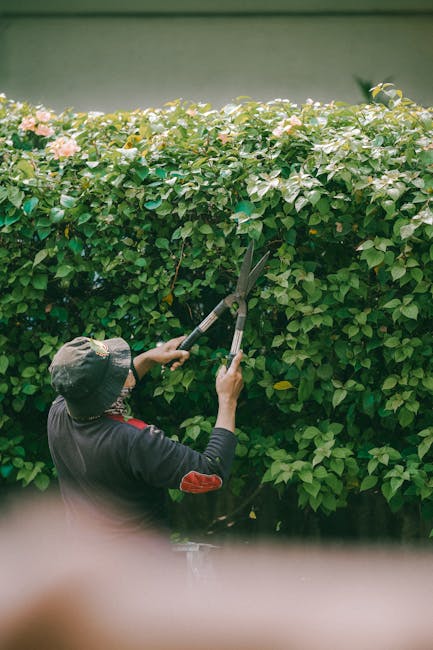
For many clients, a few reliable services matter more than a long menu. Lawn care, hedge shaping, and selective clearance often sit alongside planting and bed care. If that sounds like your situation, lawn mowing and hedge trimming can be part of the same seasonal plan.
Who This Is For and When It Makes Sense
This kind of service suits a wide mix of people. It is not just for big gardens or people who already know a lot about plants. In fact, some of the best clients are the ones who know what they want the space to feel like, but not exactly how to get there.
You may benefit from specialist support if you are:
- a homeowner who wants the garden to look intentional rather than simply "kept up";
- a landlord or property manager needing tidy, low-fuss outdoor presentation;
- a busy family that wants a manageable garden rather than a full-time hobby;
- someone with a newly moved-in property and an outdoor space in need of a reset;
- an owner of a courtyard, terrace, or compact city garden where every plant choice matters;
- a person who enjoys the idea of planting but wants help avoiding costly mistakes.
It also makes sense when the garden is changing. Maybe a large shrub has died and left a gap. Maybe a space is too bare in winter. Maybe you need to replace tired planting with something more resilient and structured. Or maybe the garden has simply drifted a bit, which happens after a busy year. One spring you blink and the whole thing looks like it has been left to its own devices. Not a disaster, just overdue for attention.
If the job involves deeper reshaping, turf repair, bed redesign, or access limitations, a broader approach may be more useful than maintenance alone. In those cases, landscape gardening or broader landscaping support can help tie the planting into the overall layout.
Step-by-Step Guidance
If you want a sensible result, it helps to treat the garden as a system. Here is a practical way to think about the process.
1. Start with the site, not the shopping list
Before choosing plants, look at the garden's conditions. How much sun does it get? Where does water collect after rain? Is there strong wind between buildings? Is the soil compacted, dry, or patchy? These details decide what will thrive. You can always fall in love with a plant later; first, make sure it has a chance.
2. Decide what you want the garden to do
Do you want a calm sitting space, a family-friendly lawn, pollinator-friendly borders, evergreen structure, or seasonal colour with minimal upkeep? The answer shapes the planting style. A garden that needs to work hard should be designed a bit differently from one that is mostly for viewing.
3. Clear what is in the way
Sometimes the smartest move is to remove clutter before adding anything new. That could mean dead plants, broken containers, invasive growth, or build-up around borders. A targeted garden clearance can create the clean slate needed for good planting.
4. Prepare the soil properly
People underestimate this step all the time. Healthy planting depends on decent soil structure, the right moisture balance, and enough organic matter. If a border is exhausted, compacted, or waterlogged, even excellent plants will struggle. A few hours of prep can save months of disappointment.
5. Plant in layers
Good schemes usually mix structure and softness. Think shrubs for backbone, perennials for recurring colour, ground cover to suppress weeds, and seasonal plants for a lift. In a small garden, layering gives depth without chaos. In a larger one, it stops the space from feeling flat.
6. Water and monitor after planting
New planting needs attention during establishment. Watering routines vary by plant type, weather, and soil, so there is no single rule that fits everything. What matters is consistency. If you skip this stage, the garden may survive. But it probably won't flourish. Bit harsh, but true.
7. Fold the planting into regular maintenance
Aftercare is where lasting results happen. Deadheading, staking, feeding, pruning, and seasonal checks all help the planting settle and mature. Maintenance is not separate from planting; it is what makes the planting worth the effort.
Expert Tips for Better Results
Here are the kinds of small decisions that make a big difference over time.
- Choose fewer, better plants. Repeating a limited palette often looks more polished than cramming in too many varieties.
- Think in seasons. A border should have something going on in spring, summer, autumn, and ideally winter too.
- Use evergreen structure wisely. A bit of evergreen can save a garden from looking empty in colder months.
- Match plant size to space. A plant that looks modest in a pot may become a beast in two years. Happens more than people think.
- Leave room for access. Maintenance is easier if you can actually reach the plants without juggling a trowel and your balance.
- Consider scent and texture. Not every garden needs to be loud. Sometimes one fragrant plant near a seating area changes the whole experience.
One useful habit is to review the garden after heavy rain and after a warm spell. You learn a lot from those two moments. Where does the water go? What dries first? Which plants look tired and which stay upright and happy? That kind of observation is worth more than a random shopping spree.
If sustainability matters to you, it is also sensible to ask how green waste is handled, whether reusable materials are favoured where possible, and how plant choices affect long-term watering needs. A service that takes recycling and sustainability seriously is usually thinking beyond the immediate job.
Common Mistakes to Avoid
There are a few classic mistakes that keep showing up in urban gardens. Avoiding them saves money, time, and a fair bit of irritation.
- Planting for looks only: a beautiful plant in the wrong conditions becomes a weak plant very quickly.
- Ignoring maintenance from day one: even well-designed planting needs follow-up, especially in the first season.
- Overcrowding borders: it looks full at first, then turns into competition for light and water.
- Skipping soil preparation: poor prep is one of the most common reasons new planting fails.
- Using too many different species: the result can feel messy rather than layered.
- Forgetting practical access: if a bed is impossible to reach, routine care becomes awkward and expensive.
- Delaying hard pruning or removal: some plants need decisive action, not hopeful waiting.
A quieter mistake is expecting instant perfection. New planting takes time to settle. That first week might look a little sparse. A month later it begins to fill in. By the next season it should make more sense. Gardening is a bit like that. Slightly impatient people tend to suffer most, which is funny considering how relaxing gardens are supposed to be.
Tools, Resources and Recommendations
Good results come from good habits and the right equipment. You do not need a shed full of gadgets, but a specialist should have the basics sorted and use them properly.
Useful tools and materials often include:
- sharp secateurs and pruning saws;
- spades, border forks, and hand trowels;
- wheelbarrows or garden tubs for clearance work;
- mulch, compost, and soil improvers;
- watering cans or hoses for establishment;
- gloves, kneelers, and protective clothing;
- labels or notes for tracking what was planted and where.
Recommendations for clients are fairly straightforward. Keep a rough record of what has been planted, especially if you want to add more later. Take a few photos through the seasons so you can see what is thriving and what is not. And don't be afraid to ask direct questions. A proper gardener should be able to explain why a plant was chosen and how it will be cared for.
It also helps to use related services when needed. For example, if the garden is being redesigned rather than simply refreshed, you may want to review options for landscape gardening alongside planting. If a neglected section needs a clean start before replanting, garden clearance can be the bridge between old growth and new structure.
Law, Compliance, Standards, or Best Practice
For most domestic garden work, the big issue is not formal regulation in the abstract; it is safe, careful, and responsible practice. That said, there are sensible expectations worth keeping in mind. Green waste should be managed properly. Tools should be used safely. Trees and larger woody growth should be handled with care, especially where they could affect fences, neighbours, or access routes.
If a project involves larger vegetation, awkward height, or potentially risky removal work, a specialist should treat safety as part of the job, not an afterthought. The same goes for public-facing or shared spaces, where trip hazards, debris, and access matter more. For those situations, a service with clear health and safety policies and appropriate insurance and safety practice gives you more confidence.
Best practice also includes clear communication about scope, timing, materials, and aftercare. If a service is replacing plants, it should be clear whether watering, feeding, or follow-up visits are included. If a hedge or tree needs work, the provider should be honest about what can safely be done and what should be left alone. Responsible gardening usually sounds a little less dramatic than people expect. That is a good sign.
Payment terms and service expectations should also be transparent. If you want to understand how a company handles booking, payment, and customer information, it is reasonable to review its payment and security and terms and conditions pages before proceeding.
Options, Methods, or Comparison Table
Not every garden needs the same kind of help. The best choice depends on your goals, budget, and how much upkeep you are willing to handle yourself.
| Option | Best for | Strengths | Watch-outs |
|---|---|---|---|
| Routine garden maintenance | Ongoing tidiness, lawn care, pruning, weed control | Keeps the garden under control and easy to enjoy | Does not solve deep design or planting issues on its own |
| Planting refresh | Replacing tired plants or improving seasonal colour | Transforms the feel of a garden without major construction | Needs proper soil prep and aftercare |
| Full garden clearance and replanting | Overgrown, neglected, or confusing spaces | Creates a clean base for a more coherent design | More disruptive at the start |
| Landscape redesign | Layout changes, structure, new use of space | Can improve flow, function, and long-term value | Usually more involved and may take longer |
If your garden is very straightforward, a maintenance-first approach may be enough. If the space has been neglected, a mixture of clearance, planting, and design work is usually better. And if you are trying to create a proper outdoor living area, not just tidy up a few beds, then a broader landscaping approach may be the smartest route.
Case Study or Real-World Example
Here's a realistic example. A small rear garden near Queenstown Road had become a bit of a patchwork: one tired shrub, a thin lawn, two neglected planters, and borders full of opportunistic weeds. Nothing dramatic, just the sort of space people keep meaning to sort out "next month." You know how that goes.
The first step was a proper clear-out. Dead material, broken pots, and unwanted growth were removed. Then the borders were improved with compost and the planting scheme was simplified. Instead of squeezing in lots of different species, the new plan focused on a small number of plants that could handle partial shade and urban conditions. Evergreen structure was added for winter interest, with a few flowering plants for colour across the warmer months.
The maintenance plan mattered just as much as the planting. The lawn was cut more regularly, edging was kept sharp, and the new plants were checked and watered during the establishment period. Within a season, the garden felt calmer, more balanced, and easier to look after. Not perfect. Gardens never are. But much better, and far less stressful.
That is the real lesson: a good result usually comes from making the garden easier to care for, not just prettier for one afternoon.
Practical Checklist
Before booking help, it is worth checking the following:
- Do I want routine maintenance, planting work, or both?
- Has the garden been assessed for light, drainage, and access?
- Are there plants that should be removed before replanting begins?
- Do I know the look or level of upkeep I want?
- Have I considered how much watering and aftercare new plants will need?
- Is there a clear plan for waste removal and cleanup?
- Will the new planting suit London conditions, not just the catalogue photo?
- Do I need related services such as hedge cutting or lawn care?
- Have I checked the provider's service details and practical policies?
- Am I happy with the timing, budget, and expected maintenance level?
If you can answer most of those, you are already ahead of the game.
Conclusion
Queenstown Road garden maintenance and planting specialists are valuable because they bring together two things that should never be separated: ongoing care and thoughtful planting. The best gardens are not just well planted, and they are not just well trimmed. They are both. They work in real conditions, they suit the people using them, and they stay manageable over time.
Whether your space needs a seasonal refresh, a complete replanting, or simply a more dependable routine, the key is to start with the site, choose appropriate plants, and plan for aftercare from day one. That's what turns a garden from "fine, I suppose" into somewhere you actually pause for a moment, coffee in hand, and think: yes, this is better.
If you want to understand the wider service picture, take a look at the provider's services overview, then decide what level of support fits your garden best.
Get a free quote today and see how much you can save.
Frequently Asked Questions
What do Queenstown Road garden maintenance and planting specialists actually do?
They handle regular garden care and planting work together, so your garden stays tidy while new or existing plants are chosen, installed, and maintained properly.
Is planting more important than maintenance?
Not really. Good planting gives the garden structure and interest, but maintenance is what keeps that investment working over time. One without the other usually disappoints.
How often does a garden need maintenance in London?
It depends on the size of the space, the season, and how fast things grow. Many gardens benefit from regular visits during the growing months, with lighter attention in quieter periods.
What plants work well in smaller Queenstown Road gardens?
Plants that suit partial shade, compact spaces, and city conditions tend to do better. The exact choice depends on your soil, light, and how much watering you want to do.
Can a neglected garden be brought back without a full rebuild?
Often, yes. A careful clearance, some soil improvement, and a sensible planting plan can make a huge difference without major construction.
How do I know if I need garden clearance before planting?
If the space is overgrown, cluttered, or full of dead material, clearance usually comes first. Planting into a messy, crowded garden is usually a false economy.
What is the biggest mistake people make with new planting?
Choosing plants based on appearance alone. A plant has to suit the light, drainage, exposure, and maintenance level, or it will struggle sooner or later.
Do I need both lawn care and planting services?
Not always, but many gardens benefit from both. A neat lawn and good planting together usually create a more balanced, finished look.
How long does new planting take to settle in?
It varies by plant and season, but most planting needs a period of establishment. The first few weeks and months matter most for watering and monitoring.
What should I ask before hiring a garden specialist?
Ask what is included, how the plants were chosen, what aftercare is needed, how waste will be handled, and whether the service fits your maintenance goals.
Are hedge and tree works part of garden maintenance?
They can be. Some gardens need occasional hedge shaping or larger tree work as part of the broader care plan, especially where growth affects light or access.
How do I choose between maintenance and landscaping?
If the garden mainly needs keeping in shape, maintenance is usually enough. If the layout, surfaces, or structure need changing, landscaping is the better fit.
For gardeners who want a cleaner, better-planned space without the usual trial and error, the sensible next step is simple: start with what the garden needs now, not what looks good in theory. That's where the real progress begins.