Battersea gardeners for tight access gardens common problems fixed
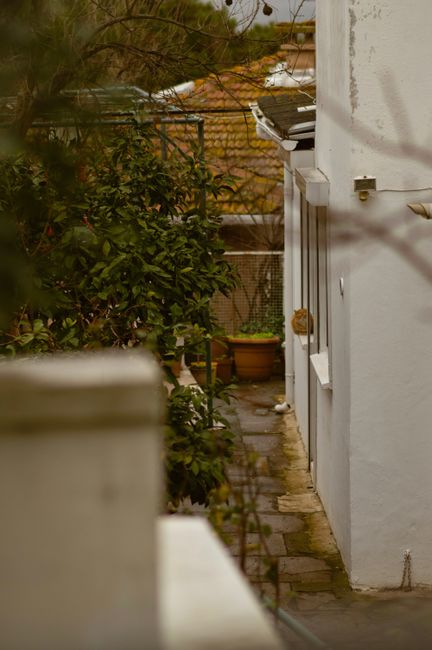
If you have a narrow side return, a courtyard reached through the kitchen, or a back garden that seems to hate furniture, wheelbarrows, and anything with a handle, you already know the problem: gardening becomes a logistics exercise. That is exactly where Battersea gardeners for tight access gardens common problems fixed makes a real difference. The right team does not just "do the job"; they solve the awkward bits first, so the work can actually happen without damage, delay, or a lot of stress.
In Battersea, compact plots, shared entrances, basement steps, and tucked-away rear gardens are part of the landscape. Some are beautiful but difficult. Others have simply been neglected because no one wanted to wrestle tools through a cramped passage twice a month. This guide breaks down the common problems, how they are fixed in practice, and what to expect if you are considering professional help. No fluff. Just the sort of detail that helps you decide with confidence.
Why Battersea gardeners for tight access gardens common problems fixed Matters
Tight access changes everything. A garden can be perfectly ordinary on paper, then turn into a puzzle once you realise the only way in is through a narrow hallway, a shared gate, or a passage with a sharp corner and zero room to swing a spade. It sounds minor until you try to move a compost bag, carry paving slabs, or prune a hedge without scratching walls, denting doors, or trampling beds on the way back out.
The real issue is not just inconvenience. Tight access gardens are easier to damage, harder to clear, and more likely to be left half-finished if the team is not used to them. That can lead to churned soil, broken plants, awkward waste removal, and jobs that take far longer than expected. In a place like Battersea, where many homes are a mix of period terraces, converted flats, mews-style layouts and modern developments, the access problem shows up in different ways, but the frustration is the same.
Truth be told, many garden problems in compact spaces are not "garden" problems first. They are access, planning, and sequencing problems. Once those are solved, the rest becomes much easier. That is why experienced local gardeners tend to assess the route in, the storage area, the turning space, the waste strategy, and the likely pinch points before they even start cutting or clearing.
Expert summary: In tight access gardens, good results depend less on brute force and more on preparation, the right kit, and a careful work sequence. The best fix is often not one big solution, but a set of small ones done in the right order.
How Battersea gardeners for tight access gardens common problems fixed Works
The process usually starts with an access check. That may sound obvious, but it matters. A useful contractor will look at gate widths, step heights, uneven paving, door swings, storage locations, and the safest place to stage waste or materials. They may also ask about neighbours, shared paths, and any building restrictions that could affect noisy or bulky work.
After that comes the practical plan. For example, if the issue is overgrown planting blocking the walkway, the team may trim back in sections so the route is opened first. If the issue is clearance, they will often remove bulky waste gradually rather than piling everything into one large, awkward load. For maintenance jobs, the approach can be gentler still: tidy edges, reshape plants, reduce congestion, and keep the layout workable for the next visit.
The work itself is usually adapted to the space. Smaller tools, modular materials, lighter loads, and smarter staging are the norm. A tight access garden is not the place for dragging long branches across a patio or trying to wheel a full barrow through a narrow side return. To be fair, that is how little scratches on doors and cracked slabs happen. Slow is often faster here. Strange but true.
If larger changes are needed, such as new paths, raised beds, or a decking section, the access issue is built into the design stage. That is where services such as landscaping or decking services can help, because the layout can be designed around the route in rather than against it.
Key Benefits and Practical Advantages
The clearest benefit is that work actually gets done properly. But there is a bit more to it than that. When access is managed well, gardens are tidier, safer to move through, and much easier to maintain over time. Small fixes in a tight space tend to have an outsized effect. Clear a narrow run, and suddenly the whole garden feels larger. Reduce a hedge that blocks light, and the space becomes more usable by lunchtime. Simple, really, but easy to overlook.
- Less risk of damage: Careful movement reduces scuffs, crushed borders, broken stems, and accidental knocks to walls or fencing.
- Better time efficiency: A planned route and sensible tool choice reduce back-and-forth faff.
- Improved visual impact: In compact gardens, small changes are very noticeable, so neat edges and proportion matter.
- Easier ongoing maintenance: Once the access is opened up, future visits become quicker and less disruptive.
- More usable outdoor space: A layout that works for people is worth more than one that only looks good from the doorway.
There is also a practical mental benefit. If you have been putting off the work because it seems too awkward, getting it sorted can be a relief. You walk outside and think, "Ah, yes, this feels manageable now." That matters more than people admit.
For clients who want regular upkeep, a planned approach through garden maintenance can prevent the space from slipping back into the same bottlenecks. And if the site has become overloaded with debris, dead growth or old garden waste, a proper garden clearance is often the cleanest reset.
Who This Is For and When It Makes Sense
This kind of service is not only for "big jobs." In fact, some of the most common requests come from modest gardens where everything is just a bit too tight for comfort. If you live in Battersea and any of the following sounds familiar, it is probably relevant:
- your rear access is through the house, so muddy boots and bulky tools are a constant headache
- your garden is reached via a narrow side return or shared passage
- you have a courtyard that quickly becomes cluttered with leaves, pots, and overgrowth
- hedges or shrubs make the access route feel tunnel-like
- you need a one-off reset after a long period of neglect
- you want regular care but do not want the logistics to be messy every month
It also makes sense if you are preparing to move, let, or renovate. A compact garden can look far better with the right cleanup and shaping, especially when space is at a premium. The same goes for landlords and property managers who need the garden to remain neat without creating complaints from neighbours or tenants.
If trees are part of the problem, especially where branches have grown into the access line or are casting too much shade over a small plot, then tree lopping and removal may be part of the wider solution. And if hedges are swallowing the route entirely, hedge trimming is often the quickest visible win.
Step-by-Step Guidance
Here is a practical way tight-access garden work is usually handled. It is not theatrical. It is methodical, which is exactly what the situation needs.
- Inspect the access route. Measure or visually assess gates, corridors, doorways, steps, and awkward corners. One small pinch point can change the whole plan.
- Identify the main problem. Is it overgrowth, clearance, redesign, ongoing maintenance, or all of the above? That decides the priority.
- Set a safe working route. Tools, waste, and foot traffic all need a path. If the route is wrong, everything becomes slower and messier.
- Open up access first. Before any big cut or clear, make the route usable. This is often the difference between a tidy job and a frustrating one.
- Work in manageable sections. Small loads, small cuts, small wins. That sounds almost too simple, but it works.
- Remove waste efficiently. Waste can become the real bottleneck in a tight space. It needs a plan, not improvisation.
- Finish with shaping and tidying. Once the practical mess is gone, the edges, levels and sight lines matter more than ever.
- Check what will keep it workable. If the garden has been made accessible again, think about what maintenance schedule will stop it collapsing back into chaos.
One small example: a narrow Battersea rear garden with a compost heap at the far end may look like a simple clearance job. But if the heap is blocking the only route to the storage shed, the real order becomes route first, clearance second, tidy-up last. Get that wrong and you spend half the day carrying the same things past the same obstacle. Not ideal.
Expert Tips for Better Results
Experience teaches a few useful habits. Nothing dramatic. Just the sort of things that make the job smoother and the garden look better at the end.
- Start at the bottleneck. Do not begin with the prettiest part of the garden. Start where movement is hardest.
- Use the lightest effective tools. In compact spaces, bulky gear can create more problems than it solves.
- Protect surfaces early. Paving, steps, and painted edges are easier to protect than repair.
- Keep waste moving. Letting cuttings accumulate in a narrow space makes the job feel twice as big.
- Leave clear edges. Clean, visible lines make small gardens feel calmer and larger.
- Think seasonally. In spring and early summer, growth can surge quickly; in autumn, leaf build-up can choke access routes almost overnight.
A good rule of thumb: if the garden is awkward, avoid making it more awkward. Sounds obvious, I know, but people do it all the time. They trim one area, pile waste in the walkway, then discover they cannot reach the next area without stepping over the pile. That is how a neat Saturday turns into a mildly annoying Sunday.
For regular upkeep, it often helps to combine tasks. A visit that includes lawn mowing, border tidying, and light clearing can keep the space balanced instead of waiting for each issue to become large enough to shout about.
Common Mistakes to Avoid
Tight access gardens magnify mistakes. A small misjudgement in a big open lawn is annoying. In a narrow Battersea plot, it can stop the job altogether.
- Assuming standard tools will fit: They often will not, or not comfortably.
- Leaving waste until the end: This creates blockages and slows everything down.
- Ignoring neighbour-facing boundaries: Overhanging growth and messy routes can create avoidable friction.
- Cutting too much at once: Heavy reductions can leave plants looking harsh and exposed.
- Skipping an access check: A route that looks "fine" at a glance may be unusable once tools and waste are included.
- Trying to force a redesign without planning: If the garden needs structural change, a rushed fix rarely ages well.
Another common issue is underestimating disposal. A tight garden can produce a surprising amount of material in a very small area. Branches, clippings, soil, old pots, broken fixtures, forgotten fencing bits - they add up quickly. If the site has accumulated years of mess, a focused clearance approach is usually the cleaner starting point.
Tools, Resources and Recommendations
You do not need to know every tool by name, but it helps to understand the sort of kit that works well in restricted spaces.
Commonly useful tools include:
- compact pruning tools for precise cuts
- lightweight wheelbarrows or carry systems for waste movement
- shorter-handled tools for narrow corridors
- hedge trimmers suitable for controlled shaping rather than brute-force cutting
- protective covers for floors, walls, and steps
- basic hand tools for detail work around pots, corners and edges
On the planning side, a simple sketch of the garden can be more useful than you might think. Mark the access route, water taps, storage points, and the awkward places where movement narrows. That alone helps avoid a lot of guesswork. If the garden is part of a broader redesign, it can also help to review the scope through a services overview before deciding whether you need tidy-up work, regular care, or a bigger landscape change.
If you are comparing providers, it is reasonable to ask how they handle access, waste removal, surface protection, and the sequence of work. A confident answer is usually practical rather than flashy. You want detail, not sales patter.
Law, Compliance, Standards and Best Practice
In most domestic garden work, the main compliance issues are common-sense ones: safety, property care, neighbour consideration, and responsible waste handling. UK practice generally expects contractors to work carefully, avoid unnecessary damage, and manage waste in a lawful way. For a tight-access property, that means taking extra care with routes, lifting, trip hazards, and any sharp or heavy material being moved through the home or shared spaces.
It is also sensible to think about access permissions in shared buildings or converted properties. If a passage or side gate is communal, you may need to coordinate with neighbours or building management before work begins. That is less about red tape and more about keeping the day calm. Nobody wants a clipped hedge and a clipped temper at the same time.
From a best-practice point of view, reputable garden teams should be clear about safety procedures, insurance, and how they protect property during the job. If you want to understand those standards in more detail, it is worth reviewing the business's health and safety policy and insurance and safety information. Responsible disposal and greener handling of garden waste also matter, especially for larger clearances; that is where recycling and sustainability guidance becomes relevant.
For pricing, ask for clarity on what is included. Access complexity, waste volume, and the condition of the garden can all affect the scope. A transparent pricing and quotes page or clear quote process is usually a good sign.
Options, Methods, or Comparison Table
There is more than one way to tackle a tight-access garden, and the best option depends on whether the main issue is maintenance, a reset, or a redesign.
| Approach | Best for | Strengths | Limitations |
|---|---|---|---|
| Regular maintenance visits | Small gardens that only need staying on top of | Keeps access clear, prevents build-up, usually less disruptive | Does not solve structural layout issues |
| One-off clearance | Overgrown or neglected spaces | Fast reset, removes bottlenecks, reveals the real garden | Needs follow-up care or the problem returns |
| Light landscaping adjustments | Gardens with awkward routes or poor flow | Improves usability and movement, can make the garden feel bigger | May require more planning and budget |
| Structural redesign | Persistent access problems, poor layout, old hard landscaping | Long-term fix, better circulation, more usable space | Highest disruption and often the most involved |
If you are unsure which route fits, think about how often the problem comes back. A one-off overgrowth issue is not the same as a garden whose layout itself causes the headache. That distinction saves time, and money too, if we are being honest.
Case Study or Real-World Example
Imagine a typical Battersea terraced property with a rear garden reached through a narrow side passage. The first issue is not the planting. It is the passage. Pots are stacked there, a climbing plant has narrowed the route, and leaf litter has made the floor slippery after a wet spell. Nothing dramatic, just enough to make moving anything feel like a nuisance.
The fix starts with the route. The overgrowth is cut back carefully, the passage is cleared, and the worst of the debris is removed in smaller loads. Once that pathway is open, the rest of the garden suddenly becomes much easier to assess. A congested border is thinned out, a tired hedge is reshaped, and the lawn edge is restored so the space reads as one coherent area rather than a series of obstacles.
What changes most is not just appearance but confidence. The owner can now water plants, bring in compost, and move a chair without manoeuvring like a delivery driver in a tight cul-de-sac. That is the sort of practical win people often want but do not always ask for directly. And fair enough. They just want the garden to work.
Practical Checklist
Use this simple checklist before booking or starting work in a tight-access Battersea garden:
- Measure gates, doorways, side passages, and steps
- Identify the narrowest point on the route in and out
- Decide whether the main issue is clearance, maintenance, or redesign
- Check where waste can be staged without blocking movement
- Protect floors, walls, and delicate surfaces
- Remove route-blocking growth first
- Ask how tools and debris will be moved safely
- Confirm whether neighbours or shared access need coordination
- Plan follow-up maintenance so the garden does not re-clog
- Ask for a clear quote that reflects access complexity
Quick takeaway: if the access is solved first, the garden work becomes much easier, tidier, and often less expensive in the long run. That is the quiet truth of it.
If you are weighing up the next move, take a moment to explore the team's background on the about us page, then compare the service scope with what your garden actually needs. Small spaces reward careful decisions.
Get a free quote today and see how much you can save.
Conclusion
Tight access gardens are not difficult because they are small. They are difficult because every movement has consequences. One awkward turn, one too-large tool, one pile of waste in the wrong place, and the whole job becomes slower than it should be. The good news is that this is fixable. With a measured plan, the right tools, and experience of working in compact Battersea spaces, even the fiddliest garden can be turned into something tidy, usable, and much less stressful to maintain.
So if you have been living with a narrow route, overgrown corners, or a garden that seems to resist every attempt at order, you are not alone. It is a very common London problem, and it has practical solutions. The best first step is often simply to get the space assessed properly. After that, it tends to feel a lot less impossible.
And once the space starts working for you, you notice it straight away. The garden feels calmer. The path feels wider. The whole place just breathes a bit easier.
Frequently Asked Questions
What counts as a tight access garden in Battersea?
Usually it means any garden that is hard to reach with standard tools, waste bags, or equipment. That might be a narrow side return, a shared passage, a basement route, or a rear garden only accessible through the property itself.
Can gardeners work through the house without making a mess?
Yes, if they plan for it properly. Good practice includes protecting floors and edges, using smaller loads, and keeping tools and debris organised so the route stays controlled rather than cluttered.
Do tight access gardens cost more to maintain?
They can, depending on how awkward the access is and how much time the work takes. That said, a well-planned visit often reduces wasted effort, so the difference is not always dramatic.
What are the most common problems in small Battersea gardens?
Overgrown hedges, blocked pathways, poor waste removal access, cramped corners, and neglected maintenance are some of the usual suspects. Layout issues and accumulated clutter are often part of the story too.
Is clearance better than maintenance for an overgrown narrow garden?
If the garden has become heavily congested, a clearance visit is usually the better starting point. Once the space is reset, maintenance becomes much easier and more predictable.
How do gardeners protect paving and walls in tight spaces?
They typically use careful routing, protective coverings where needed, and smaller, controlled movements. The idea is to reduce contact with fragile surfaces rather than work around damage later.
Can a tight access garden be redesigned to make future work easier?
Yes. In many cases, small layout changes such as improved paths, better planting structure, or revised hard landscaping can make the garden far more manageable long term.
What should I ask before booking a gardener for an awkward-access job?
Ask how they assess access, how they remove waste, what tools they use, and whether they are insured for property protection. A clear, practical answer is a good sign.
Do I need to tell neighbours before work starts?
Only if shared access, noise, or movement through communal areas may affect them. In many Battersea properties, a quick heads-up keeps things smooth and avoids unnecessary friction.
What is the best way to stop a small garden becoming cluttered again?
Regular garden maintenance is the simplest answer. Light, consistent care prevents access routes from closing up again and keeps the space easy to use.
Can tree and hedge work help with access problems?
Absolutely. If branches or hedges are narrowing the route or casting too much shade, trimming or removal work can open the space and make everything else easier.
Where can I compare services before deciding?
The most useful starting point is usually the services overview, because it helps you match the problem to the right kind of work rather than guessing.